Fellow Pilots,
“First of all, I wish to convey my deep appreciation for the work done by all the members of IMPA during this pandemic. Like all seafarers, as essential workers involved in port operations, you are contributing greatly to ensure the delivery of essential goods, in particular, medical equipment and pharmaceuticals which are desperately needed at present.”
This message from IMO Secretary-General Kitack Lim in a May, 2020, letter he sent us, is possibly the most gratifying mark of appreciation for the work done by maritime pilots throughout the world during Covid 19. Pilots have truly risen to the occasion, we have adapted our practices as appropriate, and we have helped keep vital supply chains open during one of the darkest time the global community has seen in decades. All pilots in the world can take great pride in this.
They say every crisis presents an opportunity. What is ours? In a world engulfed by change and uncertainty, perhaps it is to provide continuity, and certainty. The certainty that pilots everywhere are steadily doing their job, keeping traffic and trade going, thereby making a very real contribution to the collective good.
“First of all, I wish to convey my deep appreciation for the work done by all the members of IMPA during this pandemic. Like all seafarers, as essential workers involved in port operations, you are contributing greatly to ensure the delivery of essential goods, in particular, medical equipment and pharmaceuticals which are desperately needed at present.”
This message from IMO Secretary-General Kitack Lim in a May, 2020, letter he sent us, is possibly the most gratifying mark of appreciation for the work done by maritime pilots throughout the world during Covid 19. Pilots have truly risen to the occasion, we have adapted our practices as appropriate, and we have helped keep vital supply chains open during one of the darkest time the global community has seen in decades. All pilots in the world can take great pride in this.
They say every crisis presents an opportunity. What is ours? In a world engulfed by change and uncertainty, perhaps it is to provide continuity, and certainty. The certainty that pilots everywhere are steadily doing their job, keeping traffic and trade going, thereby making a very real contribution to the collective good.
We are not heroes. We are as concerned for our health and our loved ones as anyone else. But, by continuing to do our jobs in the most professional manner possible and staying the course, we end up making a difference.
At the same time, a rapidly-changing world is sometimes a bit like a stampede – with fragmented interests trying to take advantage by questioning practices and approaches that have stood the test of time. So, while it is always important to keep an open mind, it is also important to remain cautious.
With some borders still closed, it might also be easy to think that we are now a bit like tidal pools, abandoned by a etreating sea, and therefore a little more separated from one another. Having to take the extraordinary step of postponing our biennial Congress to next year might also add to such a feeling. But, for my part and, I know, for the other members of the Association’s executive as well, if anything, the crisis we have gone through together has reinforced the formidable cohesion and comradeship of pilots worldwide.
I have been in touch with many of you over the last months and I see firsthand how pilots are resilient. Undoubtedly, there are still significant challenges ahead but, by staying well-coordinated and continuing to demonstrate flair in the conduct
of our affairs, I believe pilots will remain wellpositioned, not only to face future challenges but to make a signification contribution to the world’s relaunch.
I very much look forward to soon seeing you again!
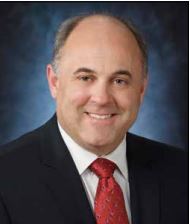
Simon Pelletier
At the same time, a rapidly-changing world is sometimes a bit like a stampede – with fragmented interests trying to take advantage by questioning practices and approaches that have stood the test of time. So, while it is always important to keep an open mind, it is also important to remain cautious.
With some borders still closed, it might also be easy to think that we are now a bit like tidal pools, abandoned by a etreating sea, and therefore a little more separated from one another. Having to take the extraordinary step of postponing our biennial Congress to next year might also add to such a feeling. But, for my part and, I know, for the other members of the Association’s executive as well, if anything, the crisis we have gone through together has reinforced the formidable cohesion and comradeship of pilots worldwide.
I have been in touch with many of you over the last months and I see firsthand how pilots are resilient. Undoubtedly, there are still significant challenges ahead but, by staying well-coordinated and continuing to demonstrate flair in the conduct
of our affairs, I believe pilots will remain wellpositioned, not only to face future challenges but to make a signification contribution to the world’s relaunch.
I very much look forward to soon seeing you again!
Simon Pelletier