Article

Port of Townsville expands pilot boat fleet with Hart Marine´s ORC 173


published on 7 December 2021 149 -

Port of Townsville latest Mantaray HM ORC 173, along with all Port of Townsville’s pilot boat fleet is defined by the Pantocarene designed beak bow vessels that are the forefront of pilot vessel desingn worldwide. The beak bow is designed to increase the waterline and reduce slamming and vertical accelerations, this along with the remotely mounted wheelhouse to reduce noise and vibration results in lower fatigue of pilots and vessel operators. Through 30+ years of design development Pantocarenes has been able to signifiantly reduce the drag of the hull form while maintaining best of breed qualities. The drag reduction therefore improves fuel efficiency and emissions. The HM ORC 173 hull is a refinement of 30 year’s knowledge of designing beaked bow vessels.
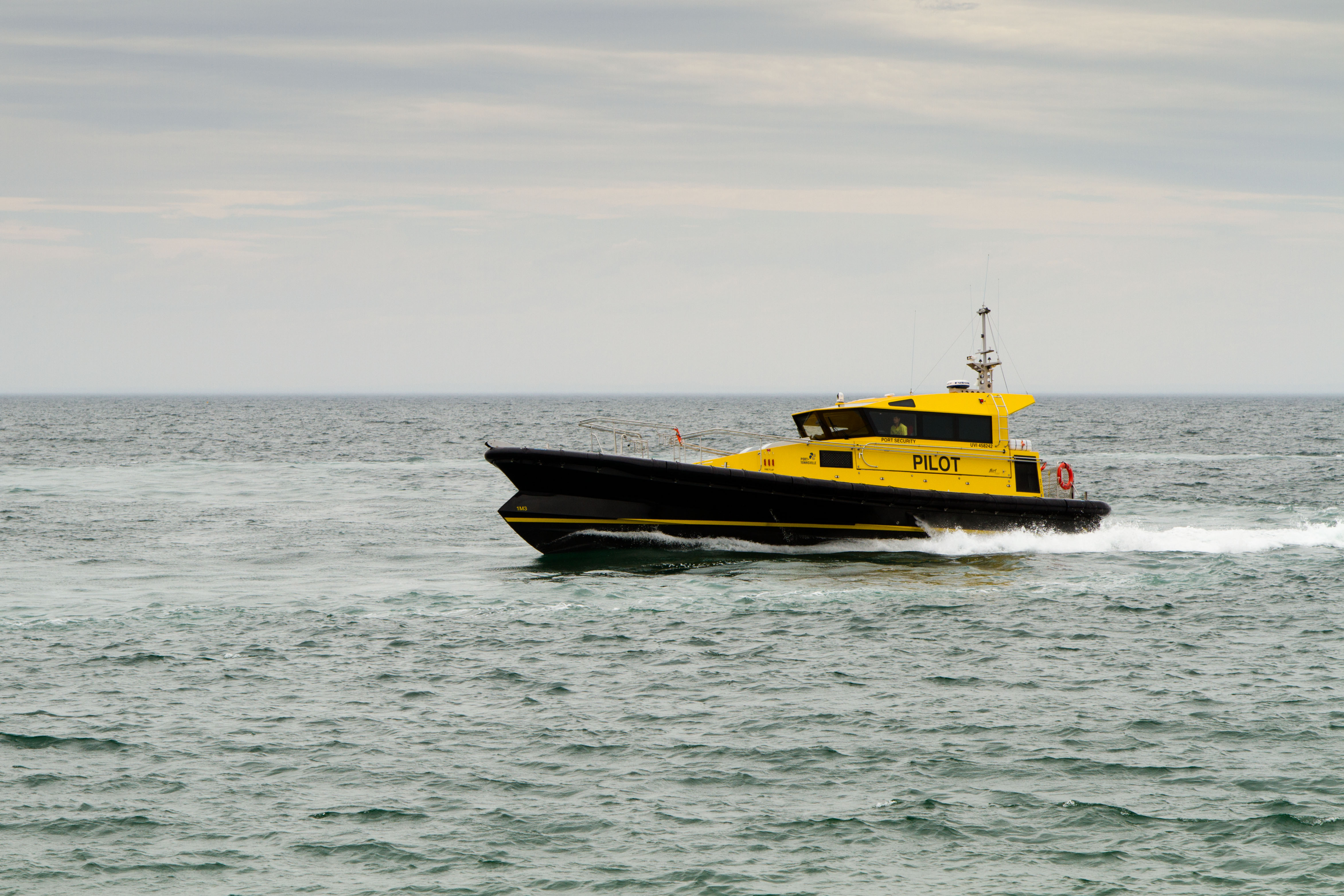
The client required a similar vessel to expand their fleet, fleet continuity was extremely important to the Port of Townsville. They wanted their users to be able to adapt to each vessel easily from a fleet management point of view. Port of Townsville required a 17.3 pilot vessel to expand their growing fleet and provide capability at remote parts operated by the Port of Townsville.

Port of Townsville required a vessel that could sustain longer runs, that could stay anchored in-between transfers, with option for pilots to rest on the day bed located within the wheelhouse, when not in use the day bed doubles as extra bench seating.
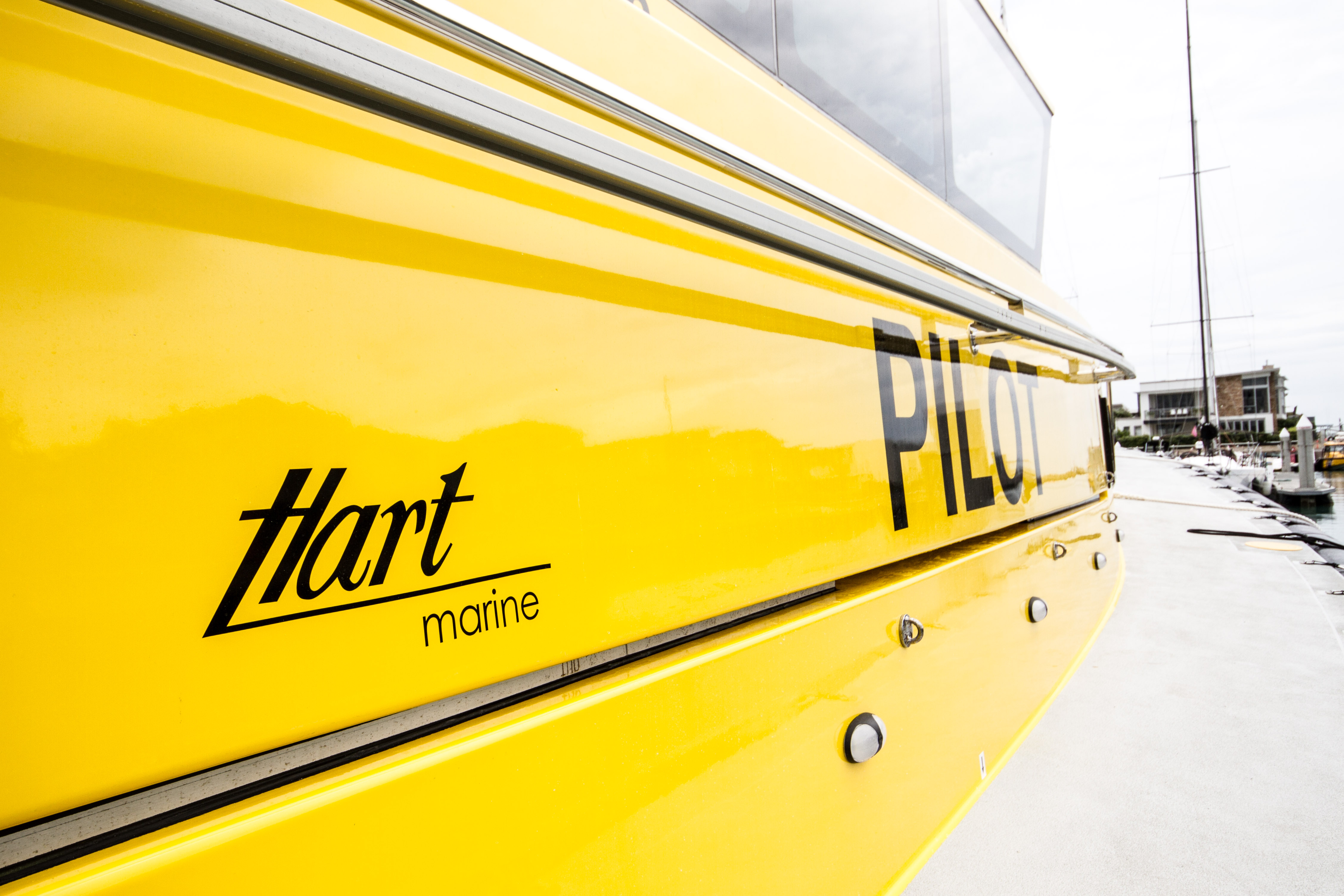
The chosen propulsion system was the VEEM Props 5 Blade with the standard high performing package
Yanmar 6HYM -WET engines with twin disc MGX 5126A 2.04:1 gearbox connected to Veem 5 blade propellers.

What's your opinion on this?
Login or register to write comments and join the discussion!
Read more...

Video Kewatec Pilot 1820

published on 7 October 2021

Kewatec Pilot 1820 is the flagship in the pilot boat fleet of the Kewatec AluBoat shipyard. It is designed for the Atlantic coast of Norway, where there are many in use.

0

Article Iran: Two new investment contracts for supplying 10 pilot boats

by PMO News Portal - published on 23 January 2021

Two investment contracts for supplying 10 pilot boats required by the country's ports, as well as a memorandum of cooperation between the PMO and Iran University of Science and Technology will be Signed by the Minister of Roads and Urban Development.

0

Video Genesis – Berkeley Class Pilot Boat by Dongara Marine

published on 25 October 2020

Harbour Services Australia was the client for this ultra-efficient pilot vessel, Dongara Marine's second Berkeley Class pilot boat to operate from the port of Fremantle. Delivered in June 2019 it joined Fremantle Pilots’ Berkeley, which had already been operating with great success in the Western Australian port since 2015. Purpose-designed to maximise overall operability and the safety and comfort of pilots and crew even in demanding sea conditions, the Berkeley Class provides: • High open...

0

Video Pilot transfer, Paranaguá-Pilots - Brazil

published on 19 February 2021

Ship pilot transfer from container ship with first person view

0

Opinion AMPI Position Paper: Ethical use of pilotage data

by Australasian Marine Pilots Institute - published on 31 July 2024

The use of historical navigation data by ports is essential for safety investigations globally. In the digital age, a wealth of pilotage data is available, aiding operations and training but potentially causing stress if misused.

0

Article Demands made by the Pacific Pilotage Authority on the shipping industry following the death of US Pilot Dennis Sherwood

by Marine-Pilots.com - published on 27 March 2020

The Pacific Pilotage Authority says: "There is a common misunderstanding amongst vessel operators that vessels built prior to 2012 are exempt from some of the requirements for pilot transfer arrangements. This is incorrect...".

0

Video SHIPPING ITALY sale a bordo con i Piloti del porto di Genova

published on 30 September 2025

Genova – Il gigantismo navale? Ha creato una nuova e complessa procedura per accogliere le nuove navi a Genova, ma di fatto ha ridotto le accostate e quindi il numero di pilotaggi, richiedendo un costante aggiornamento e la messa a punto, di volta in volta, di nuove manovre studiate prima a tavolino dai servizi tecnico nautici del porto e poi provate almeno una volta da tutti i piloti prima di diventare prassi consolidata. La nuova diga, inoltre, sta dando e darà ulteriore lavoro cambiando l'attività dei Piloti del Porto di Genova.

0