photos, graphics and article by Porthos Lima
1. INTRODUCTION:
My name is Porthos Lima and I was the Technical Director of Brazilian Pilots Association (today Technical Consultant). I have been working as a Pilot for 20 years. I am here today to introduce you to our App No Rumo Certo. The App was inspired in 2017 IMPA SAFETY CAMPAIGN.
We understood that it would be great to have a tool that allows us to make this kind of survey continuously and that all Pilots could have access to the results. The solution we found was to develop an app through which all Brazilian Pilots could report irregularities in a easy and fast way.
Brazil is divided in 22 Pilotage Districts, that we call “Pilotages Zones” or ZPs. Each one receives a number, from North to South. Our country has a very long coast and a lot of ships making voyages along this coast, and stopping in several Brazilian ports in the same voyage. If a vessel presents a problem in her arrangement in one port, it is desirable that all other Pilot Organizations may have this information as soon as possible.
2. OBJECTIVES:
Although the main objective was to collect and access information about Pilot Boarding Arrangements, we soon realized that we could use the same tool to gather other information as well.
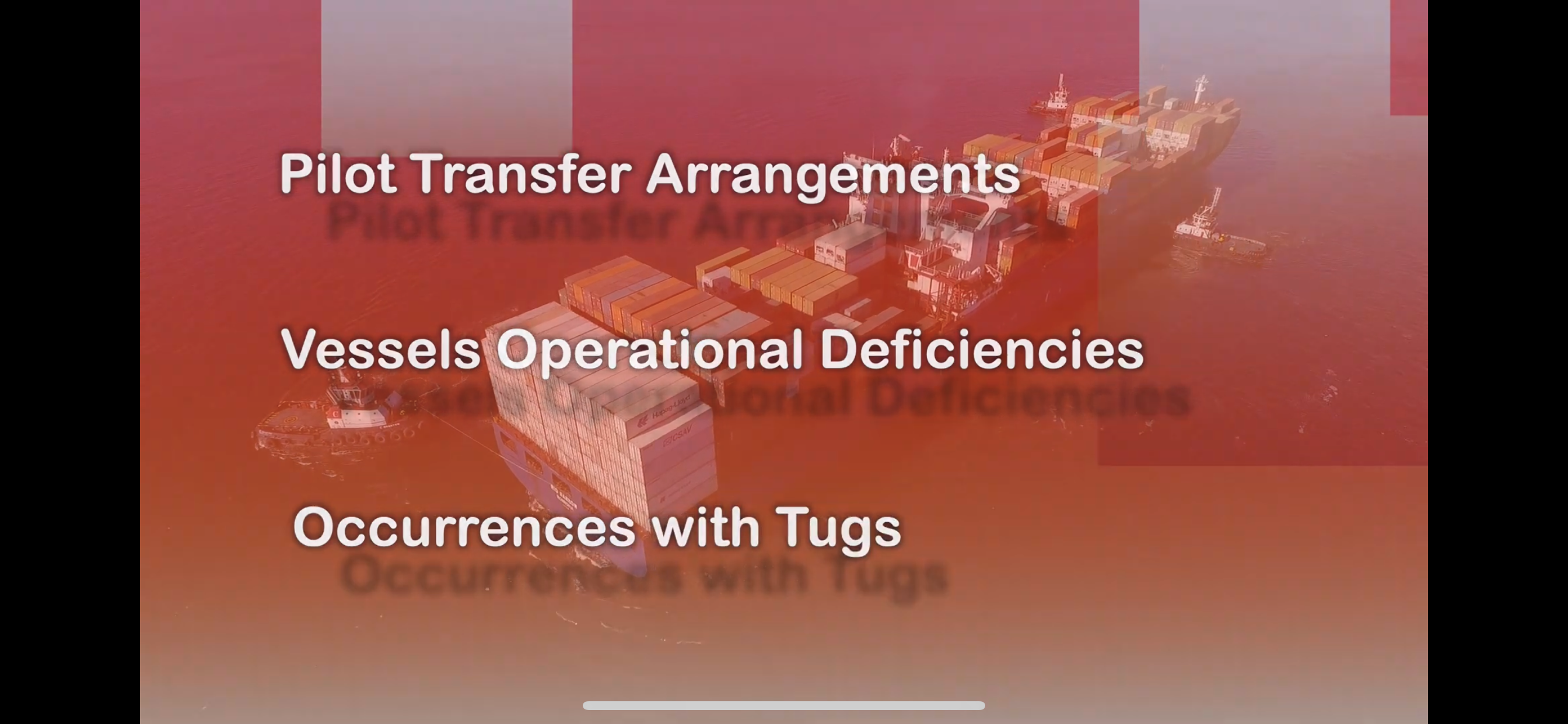
Then, we created three main categories of information:
a) Pilot Transfer Arrangements
b) Vessels Operational Deficiencies
c) Occurrences with Tugs
With that in mind, we developed an experimental version of the application and made a test in Rio de Janeiro Pilotage District during a few weeks before releasing it to the whole country.
3. SYSTEM SETUP:
The first step was introducing in the system all the 633 Brazilian Pilots divided by Pilotage Zones. Each Pilot has a login (e-mail) and a password to access the App.
We also inserted all the tugs in activity divided by ZPs where they work. If a tug changes from one port to another, we change in the system, and all the history of occurrences is preserved.
It was also necessary to include the e-mail addresses of all authorities, divided by ZPs.
Most of Brazilian Pilot Organizations use a software to organize the manoeuvres schedule. We have two main developers of this kind of software in Brazil and we asked them to cooperate with us in order to make possible to integrate their software with our App.
4. HOW IT WORKS:
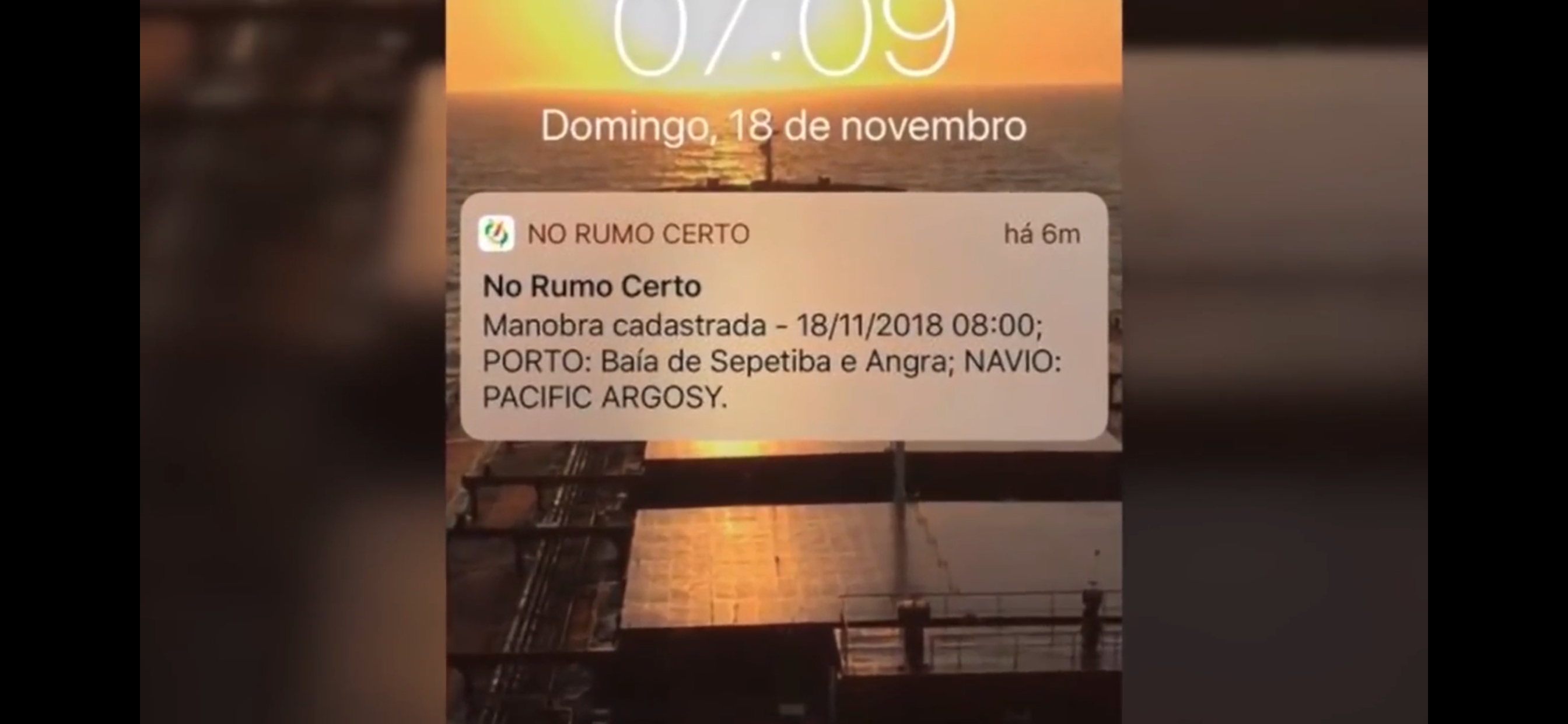
Each time the Pilot Station Operator designates a Pilot to a manoeuver, the software sends a protocol to our App, creating a report to be completed by the Pilot. At the same time, the Pilot receives a notification that he has a report to fill.
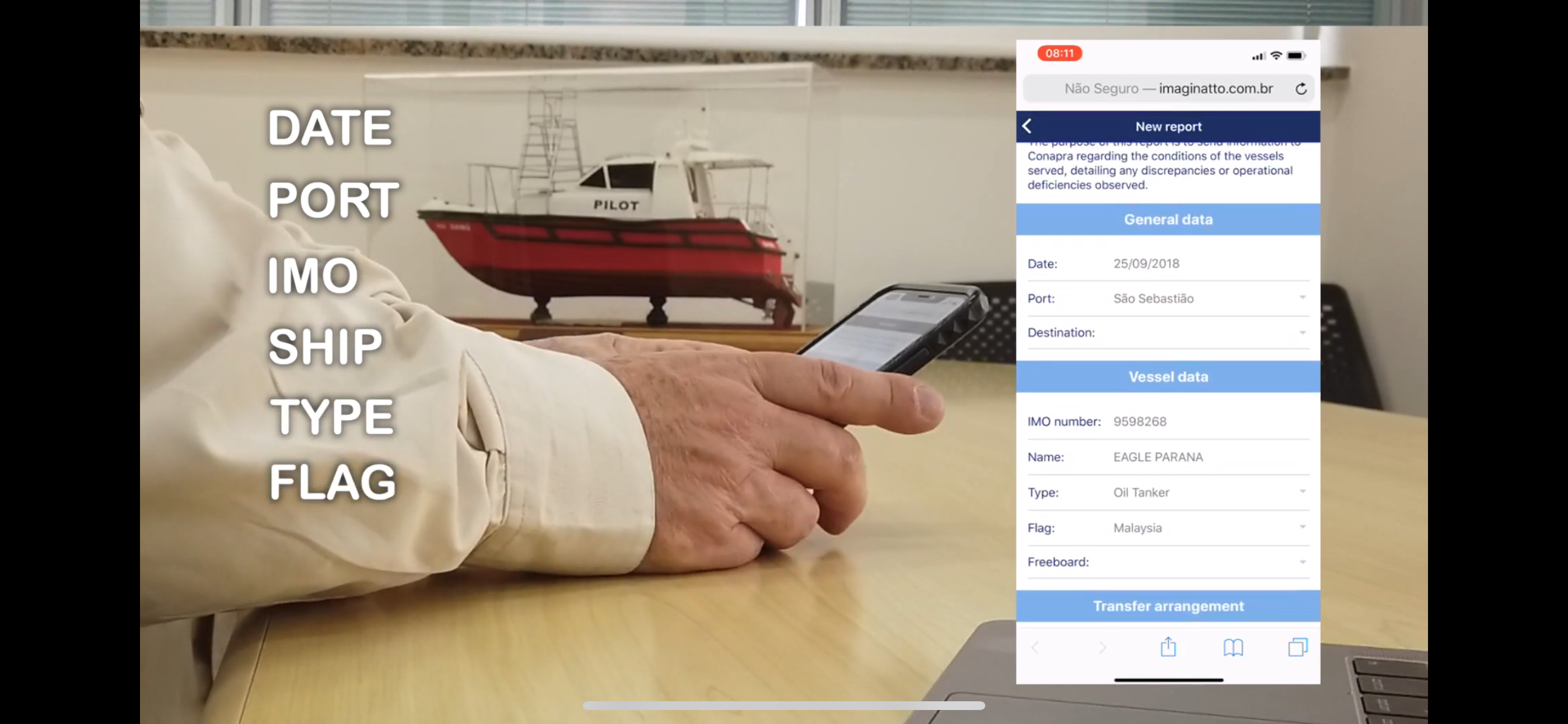
All the basic information is already there:
Date
Port
IMO number
Name of the Ship
Type
Flag
After the manoeuver is completed, the Pilot fills the report. It is very simple, and he has to inform only:
Destination of the ship
Freeboard
Transfer Arrangement
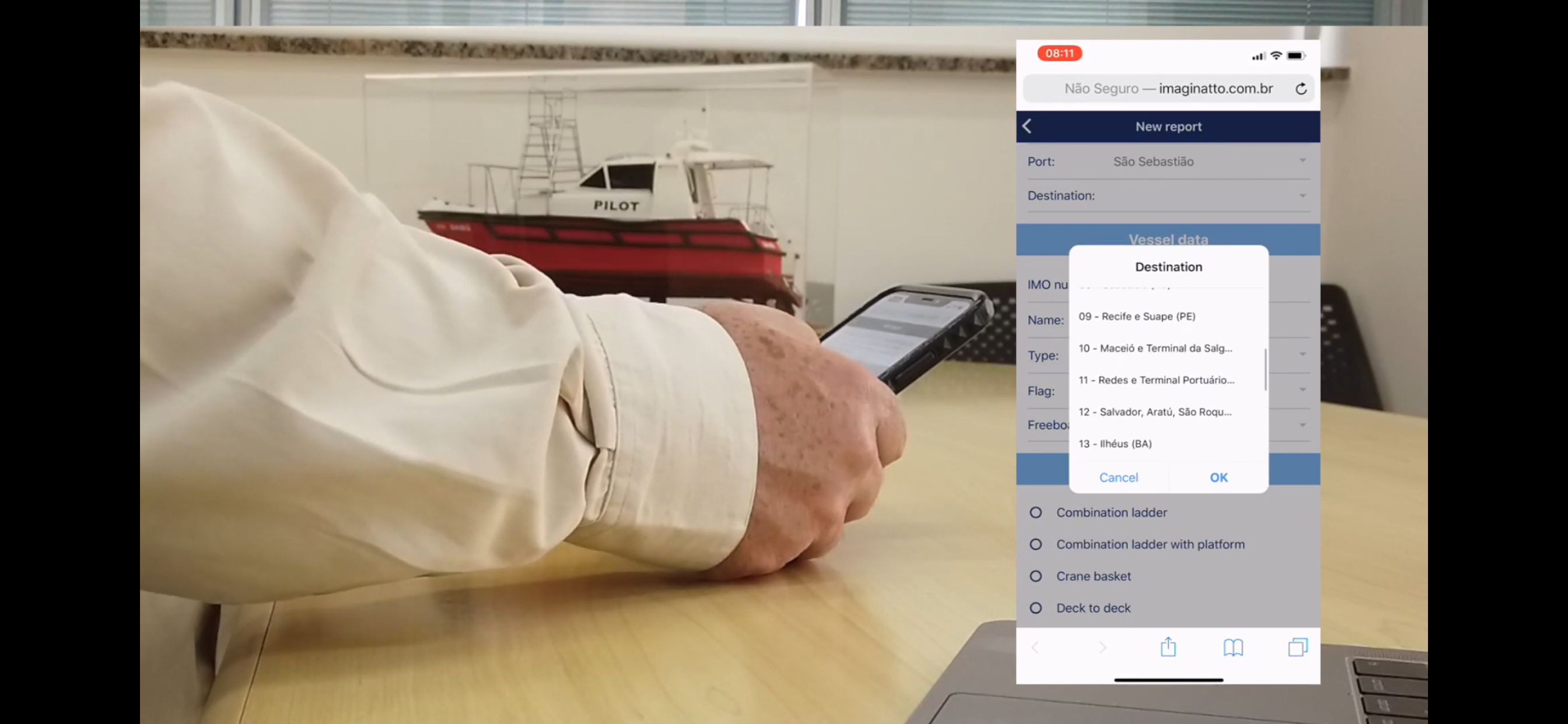
And needs to answer three questions:
1. Have you observed any irregularity on the transfer arrangement?
2. Have you observed any operational deficiency on the navigation or ship’s systems?
3. Was there any problem with the tugs during the manoeuver?
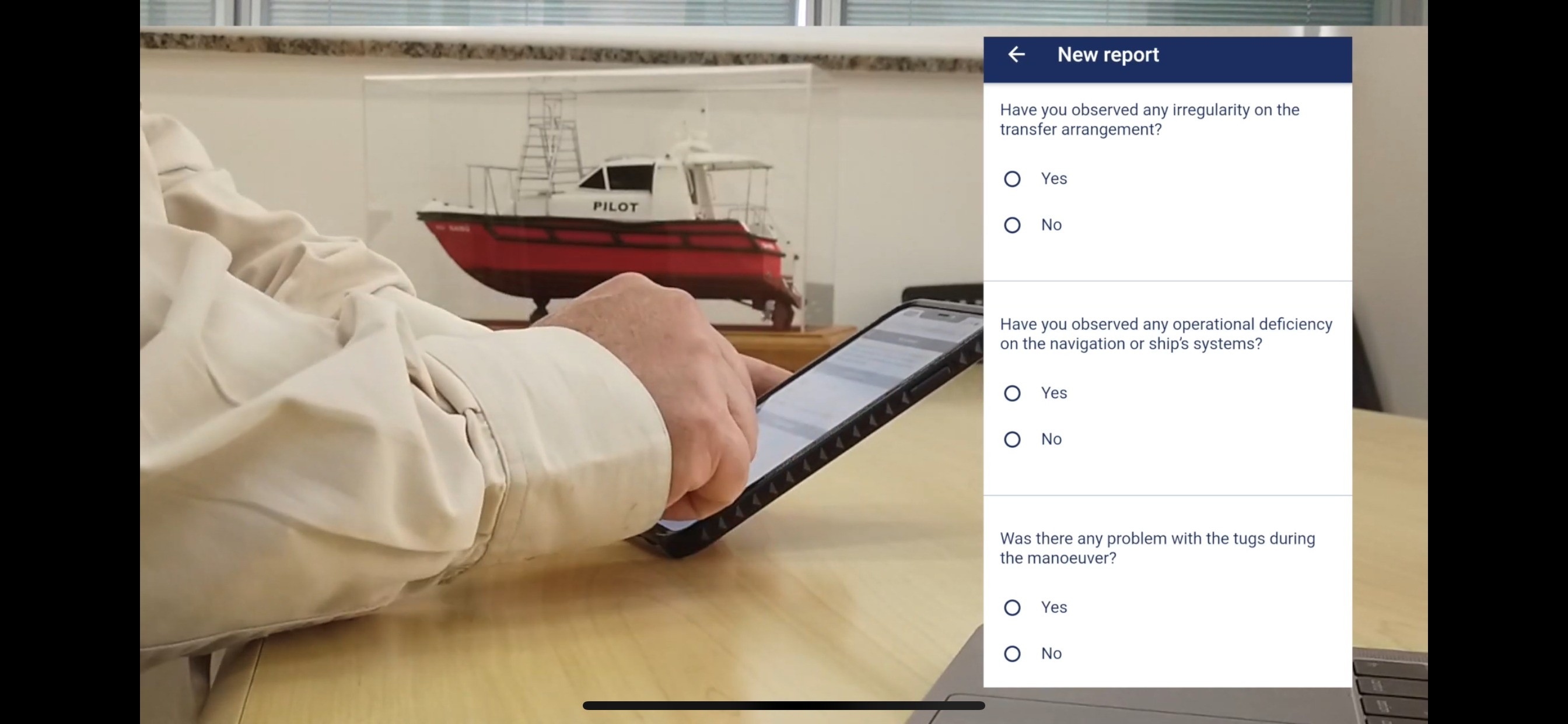
If all the answers are negative, he just sends the report. If he marks YES to one or more of these questions, he is asked to give more details about the problem observed.
The Pilot can include images to the report and has the option to send an email with the report attached to a list of authorities, depending on his Pilotage District.
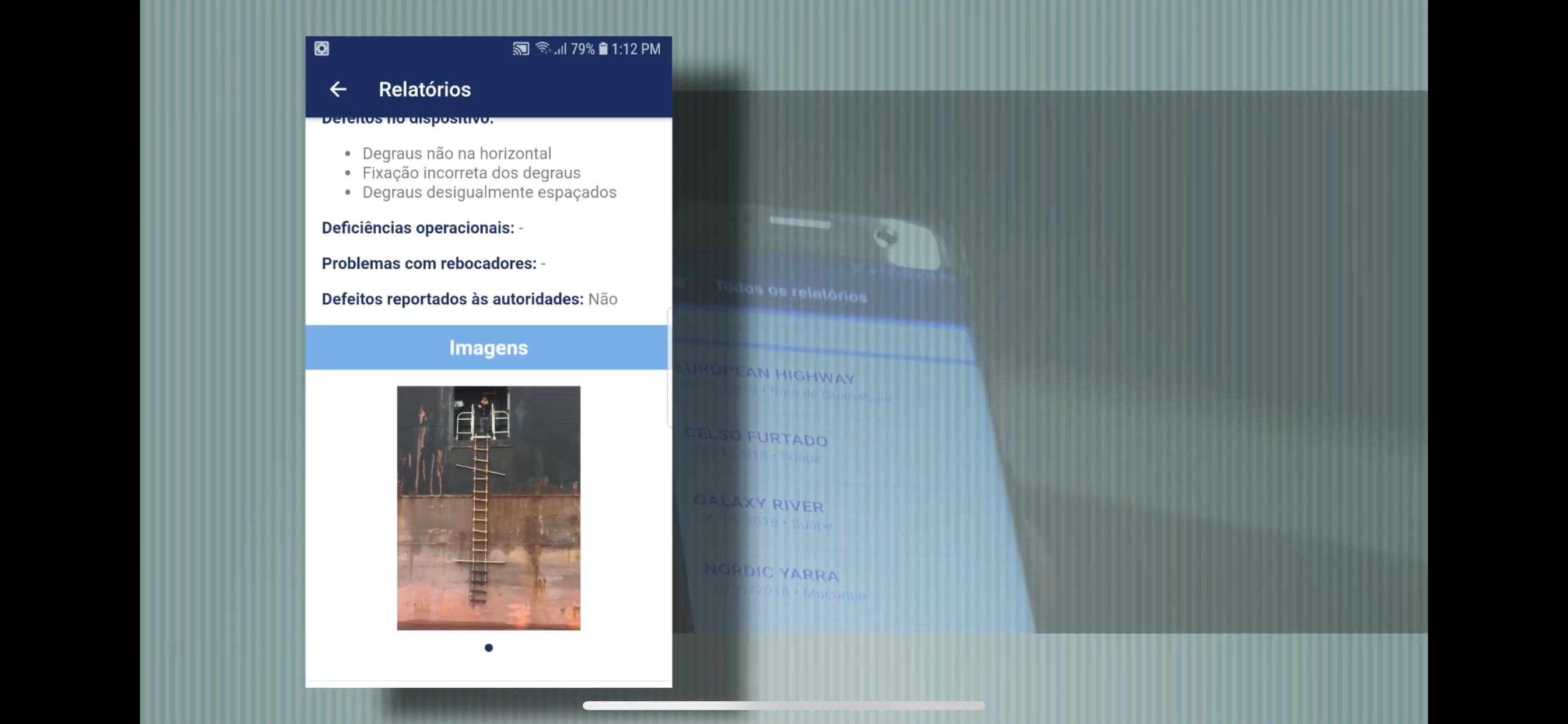
If any irregularity is observed, an automatic message is sent to the Pilot Station where the ship is heading. Doing that, the next Pilot that will manoeuvre this vessel will be alerted even before proceeding to her.
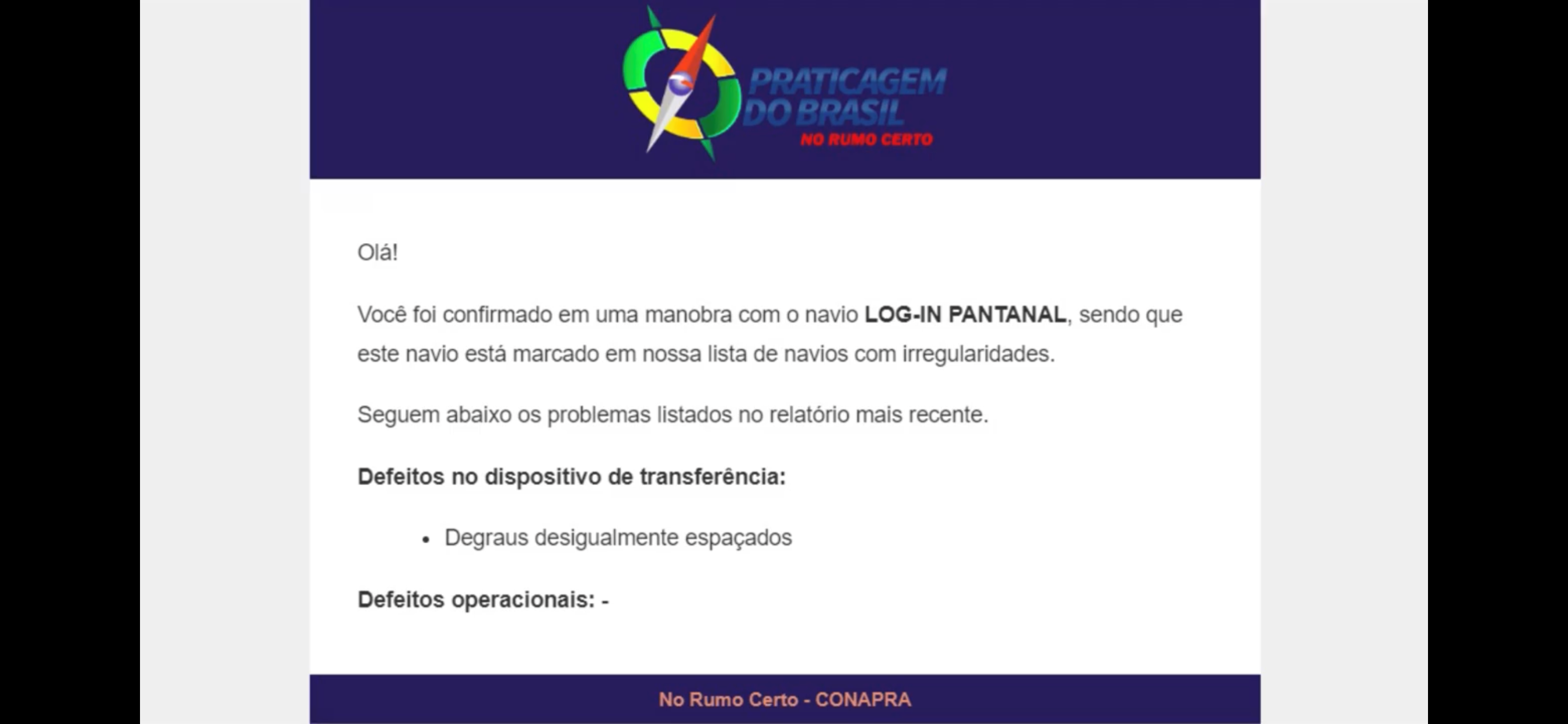
The vessel receives a tag from the system and is included in a “Black List” of Ships with Problems. Her name will then appear in red in all lists to alert the Pilots that this vessel has presented a deficiency. The next Pilot that will manoever the same ship will know exactly which irregularity was verified.
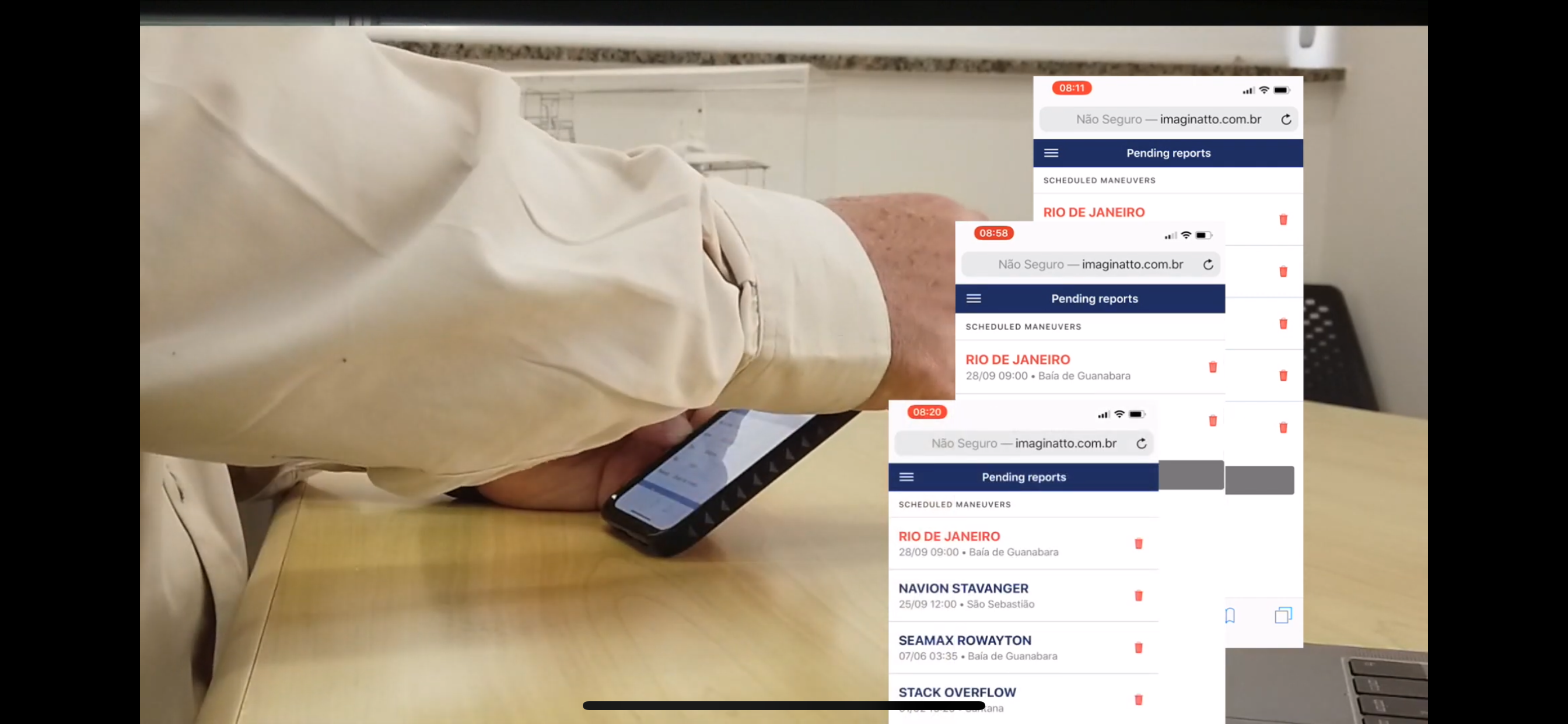
If the deficiency has been corrected, the Pilot will fill the report informing that no deficiencies were found and the vessel will be excluded from the black list. Her history, although, will be preserved.
Another interesting feature is that any Pilot may consult any ship at any time and check all the history of this ship since the app was created. Each Pilot may also consult all the reports he did along the time.
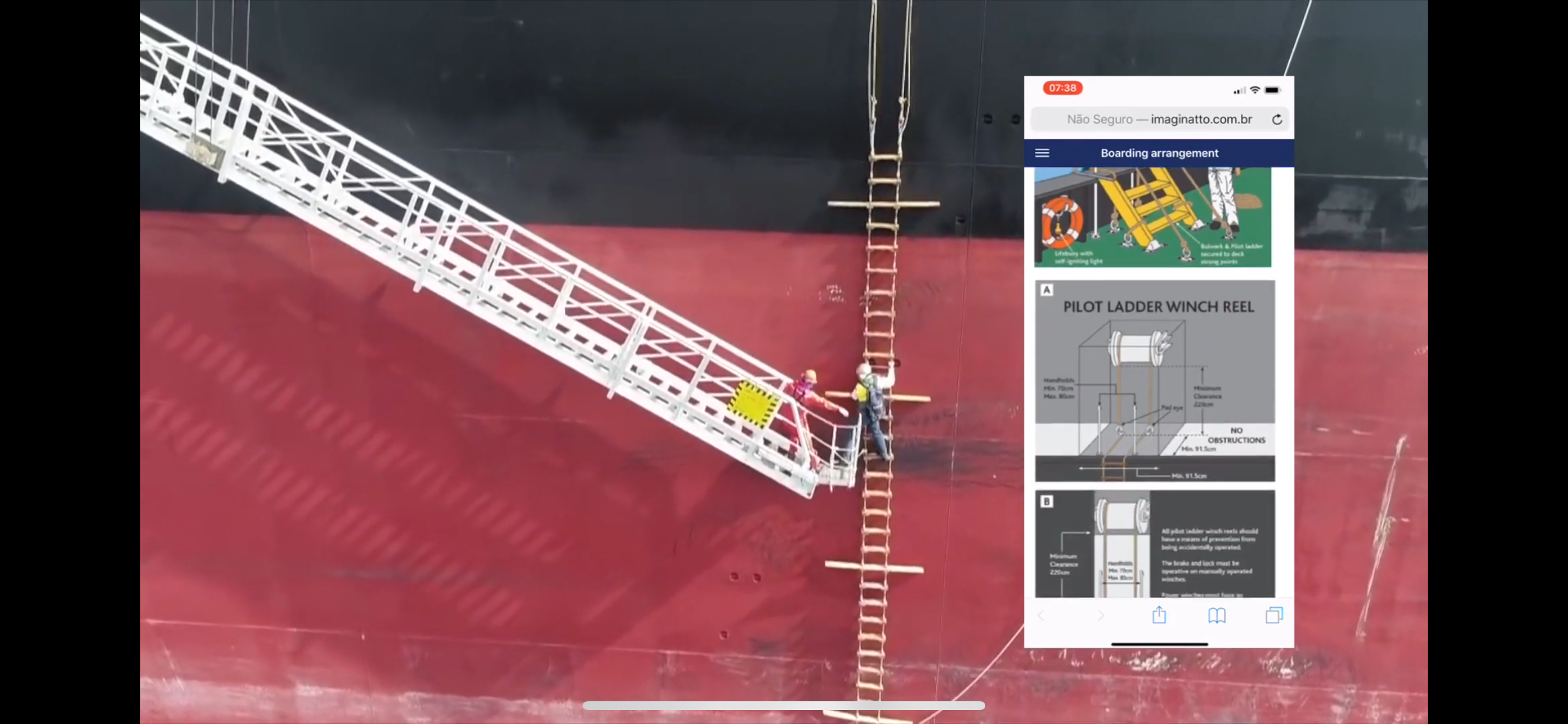
The App also allows the Pilots to easily consult the IMPA poster and the content of SOLAS Regulation Chapter V.
5. DASHBOARD:
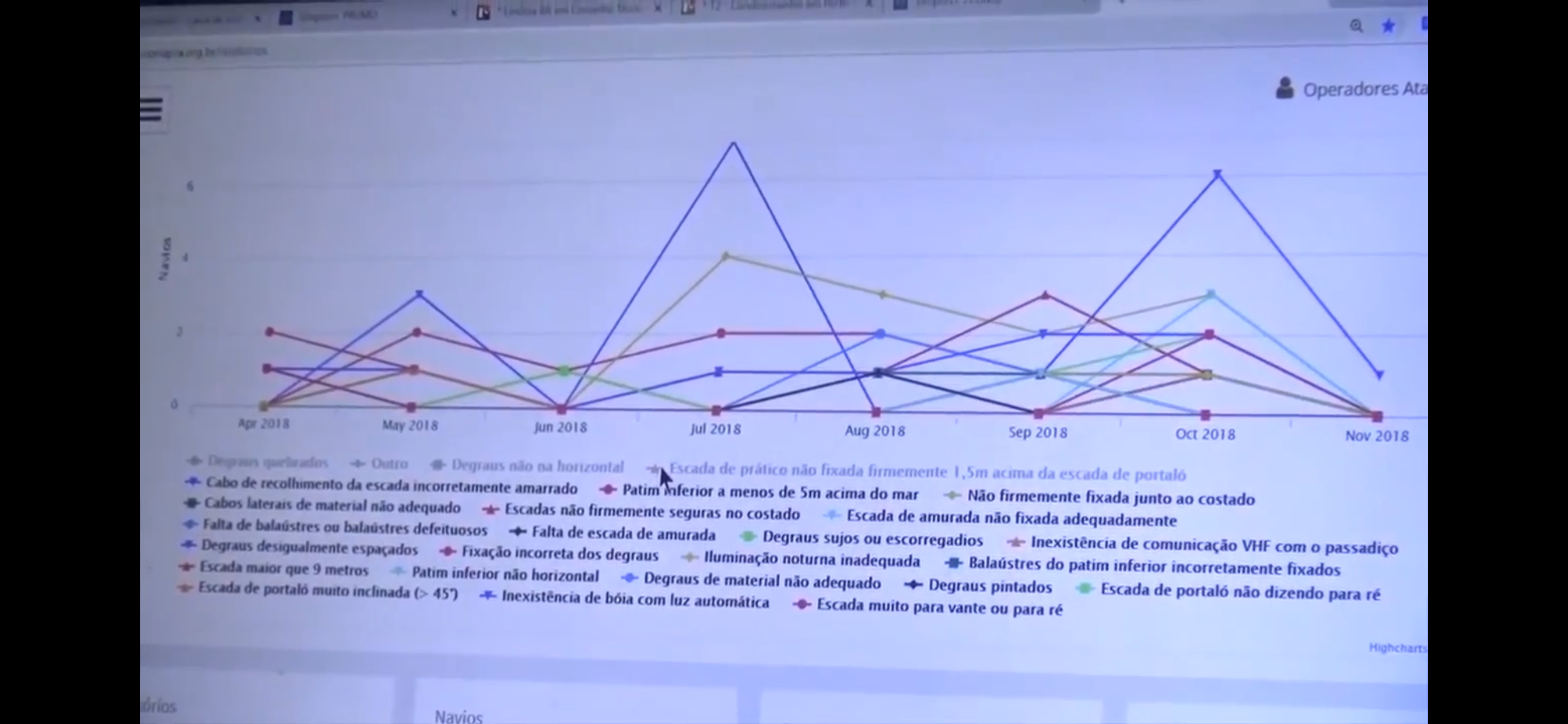
Besides the features listed above for the Pilots App, we also have a web dashboard that can be accessed by Conapra ( Brazilian Pilots Association) or by any Pilots Organization. With this tool we can verify all the reports and have statistic data about all the information collected.
There are a few filters that can be used, like period of time, name of the vessel, port and category of occurrence.
6. POSSIBILITIES:
The application is open for further development and there are a lot of possibilities to be implemented. One of them could be to integrate all the information and share it with other Pilot Organizations around the globe.
Of course, the success of this tool depends on the collaboration of the Pilots. The last IMPA Safety Campaign was a very good opportunity to motivate our Pilots to use it. We have sent 1.155 reports (27% of the total of the world – 4225 reports).
1. INTRODUCTION:
My name is Porthos Lima and I was the Technical Director of Brazilian Pilots Association (today Technical Consultant). I have been working as a Pilot for 20 years. I am here today to introduce you to our App No Rumo Certo. The App was inspired in 2017 IMPA SAFETY CAMPAIGN.
We understood that it would be great to have a tool that allows us to make this kind of survey continuously and that all Pilots could have access to the results. The solution we found was to develop an app through which all Brazilian Pilots could report irregularities in a easy and fast way.
Brazil is divided in 22 Pilotage Districts, that we call “Pilotages Zones” or ZPs. Each one receives a number, from North to South. Our country has a very long coast and a lot of ships making voyages along this coast, and stopping in several Brazilian ports in the same voyage. If a vessel presents a problem in her arrangement in one port, it is desirable that all other Pilot Organizations may have this information as soon as possible.
2. OBJECTIVES:
Although the main objective was to collect and access information about Pilot Boarding Arrangements, we soon realized that we could use the same tool to gather other information as well.
Then, we created three main categories of information:
a) Pilot Transfer Arrangements
b) Vessels Operational Deficiencies
c) Occurrences with Tugs
With that in mind, we developed an experimental version of the application and made a test in Rio de Janeiro Pilotage District during a few weeks before releasing it to the whole country.
3. SYSTEM SETUP:
The first step was introducing in the system all the 633 Brazilian Pilots divided by Pilotage Zones. Each Pilot has a login (e-mail) and a password to access the App.
We also inserted all the tugs in activity divided by ZPs where they work. If a tug changes from one port to another, we change in the system, and all the history of occurrences is preserved.
It was also necessary to include the e-mail addresses of all authorities, divided by ZPs.
Most of Brazilian Pilot Organizations use a software to organize the manoeuvres schedule. We have two main developers of this kind of software in Brazil and we asked them to cooperate with us in order to make possible to integrate their software with our App.
4. HOW IT WORKS:
Each time the Pilot Station Operator designates a Pilot to a manoeuver, the software sends a protocol to our App, creating a report to be completed by the Pilot. At the same time, the Pilot receives a notification that he has a report to fill.
All the basic information is already there:
Date
Port
IMO number
Name of the Ship
Type
Flag
After the manoeuver is completed, the Pilot fills the report. It is very simple, and he has to inform only:
Destination of the ship
Freeboard
Transfer Arrangement
And needs to answer three questions:
1. Have you observed any irregularity on the transfer arrangement?
2. Have you observed any operational deficiency on the navigation or ship’s systems?
3. Was there any problem with the tugs during the manoeuver?
If all the answers are negative, he just sends the report. If he marks YES to one or more of these questions, he is asked to give more details about the problem observed.
The Pilot can include images to the report and has the option to send an email with the report attached to a list of authorities, depending on his Pilotage District.
If any irregularity is observed, an automatic message is sent to the Pilot Station where the ship is heading. Doing that, the next Pilot that will manoeuvre this vessel will be alerted even before proceeding to her.
The vessel receives a tag from the system and is included in a “Black List” of Ships with Problems. Her name will then appear in red in all lists to alert the Pilots that this vessel has presented a deficiency. The next Pilot that will manoever the same ship will know exactly which irregularity was verified.
If the deficiency has been corrected, the Pilot will fill the report informing that no deficiencies were found and the vessel will be excluded from the black list. Her history, although, will be preserved.
Another interesting feature is that any Pilot may consult any ship at any time and check all the history of this ship since the app was created. Each Pilot may also consult all the reports he did along the time.
The App also allows the Pilots to easily consult the IMPA poster and the content of SOLAS Regulation Chapter V.
5. DASHBOARD:
Besides the features listed above for the Pilots App, we also have a web dashboard that can be accessed by Conapra ( Brazilian Pilots Association) or by any Pilots Organization. With this tool we can verify all the reports and have statistic data about all the information collected.
There are a few filters that can be used, like period of time, name of the vessel, port and category of occurrence.
6. POSSIBILITIES:
The application is open for further development and there are a lot of possibilities to be implemented. One of them could be to integrate all the information and share it with other Pilot Organizations around the globe.
Of course, the success of this tool depends on the collaboration of the Pilots. The last IMPA Safety Campaign was a very good opportunity to motivate our Pilots to use it. We have sent 1.155 reports (27% of the total of the world – 4225 reports).